I study both materials science and computer science to play in the mapping between idea space and reality. How do two completely different systems integrate and interact? How can disturbances in one affect the other? In the past I've investigated polymer crystallization kinetics, various additive manufacturing techniques, and healthcare systems optimization at Georgia Tech, Peking University, and SpaceX. My current research is on powered prostheses, and other academic areas of interest include machine learning, knowledge-based AI, controls, and bioinspired design. I firmly believe in sharing what I know with others as I simultaneously teach myself. If there are ever a few weeks when the dust settles, chances are I'm exploring halfway around the world.
-
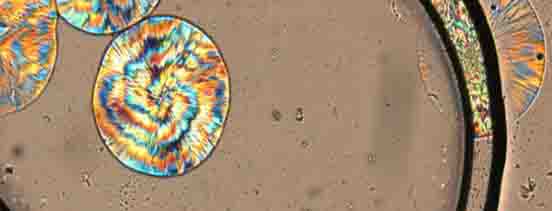
In 2013, I studied cellulose nanocrystal/poly-3-hydroxybutyrate composites in the Shofner Lab, investigating how processing parameters affected their biodegradability in various environments. From this experience I gained a breadth of expertise in thermal and optical characterization techniques for polymers.
-
The next year, I worked with Dr. Ben Wang to develop novel carbon fiber composite filaments for use in woven additive manufacturing. My semester culminated in producing the first printer prototype designed to simultaneously extrude and weave composite material. Incidentally, this opportunity was also my crash course in circuit design and embedded programming. I found both utterly fascinating and immediately decided to add a computer science minor to my materials science degree.
-

I spent summer of 2014 working in materials and processing at SpaceX's Hawthorne site, investigating the relationship between direct metal laser sintering control patterns and printed Titanium and Inconel superalloys. Partnering with Concept Laser GmbH, I discovered ways of increasing microstructural integrity in terms of laser energy density, location on the print bed, and chamber gas flow.
-
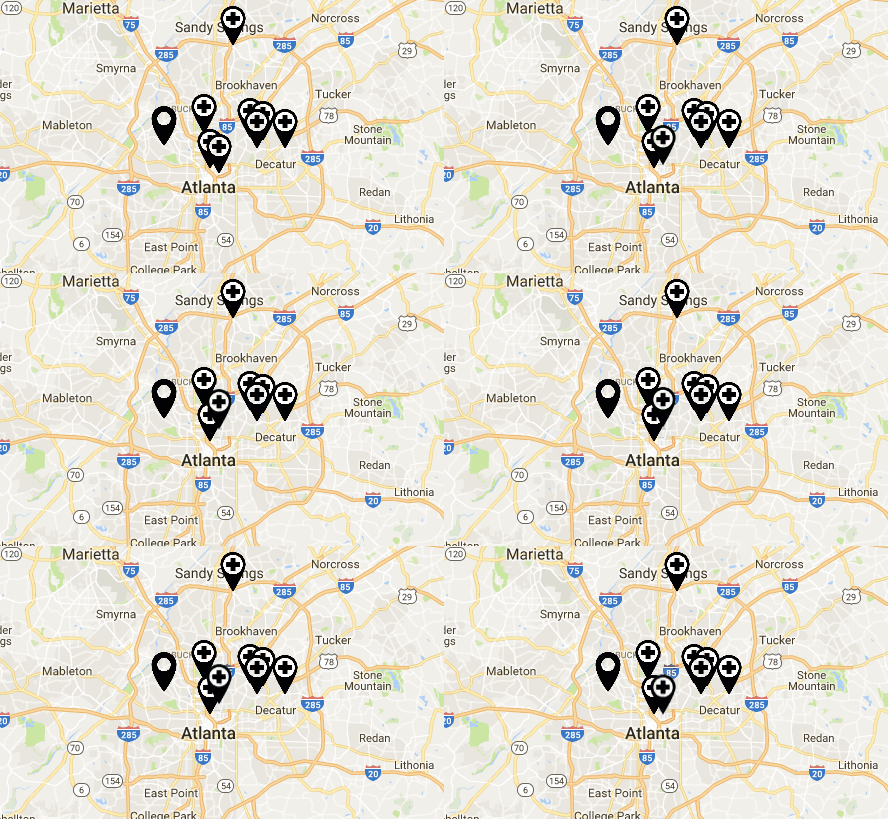
After discussing with my colleagues an idea which could help people in emergency situations, I jumped at my opportunity to improve the healthcare system. I put formal research on hold to pursue developing findED.io as a team, a project whose success I attribute to our team's tenacity.
-
Reflecting on my travels, manufacturing experience, and healthcare app, I envisioned custom robotic prostheses as the perfect intersection of my strengths and larger interests. In the summer of 2015, I established my own program to study prosthesis design as a visiting researcher with Dr. Qining Wang in the Intelligent Control Lab at Peking University. My work produced a new direct memory access protocol for their universal asynchronous receiver/transmitter communications used to collect prosthesis sensor data, increasing gait cycle control loop speed by 17%. With smoother walking, I saw the true meaning of my work as their device's users gained newfound freedom.
-
Since returning, I have worked with Dr. Aaron Ames, whose research on bipedal walking calls upon biomedical engineering and hybrid zero dynamics. After a year of commitment, I am now the project manager of AMPRO3, a powered prosthesis featuring series elastic actuated knee and ankle joints. I currently investigate novel control algorithms to minimize energy consumption and hardware costs.
-
My mission is to provide people new ways of physically interacting with their environments. Whether through rehabilitation or augmentation, internal or external means, I believe the time has come to merge the realm of impossibility into the world of reality.